Saturday, July 6, 2013

Family Index to the Intermountain Flora (complete)

(Henry Mountains, UT)

An update to July's plant-nerd botany-related "public service."  The top aim of my blog is to contribute things which are not on the net already.

With the publication of the 2a volume, which completes the 8-volume set, (including the much-anticipated section on Buckwheats!)  here's the complete index to all the plant families of all the plants that grow in the Great Basin of North America.  I take this opportunity to thank the botanical authors and illustrators who worked who-knows-how-many years (decades?) on these literally several-thousand pages full of descriptions of physiology and location of the intermountain plants.  It's a staggering achievement.  Thank you.

How many people in any discipline could have such dedication?


{PLEASE COPY, print or otherwise replicate this index (I hereby make exception to copyright)}


Intermountain Flora Family Index
Family Vol, Page

Aceraceae 3a 308
Aizoaceae 2a 568
Altingiaceae 2a 156
Amaranthaceae 2a 547
Anacardiaceae 3a 313
Apocynaceae 4 24
Apiaceae 3a 340
Aquifoliaceae 3a 256
Araliaceae 3a 339
Asclepiadaceae 4 31
Asteraceae 5
Berberidaceae 2a 49
Betulaceae 2a 186
Boraginaceae 4 207
Brassicaceae 2b 174
Cactaceae 2a 634
Caesalpinaceae 3b 7
Callitrichaceae 4 331
Cannabaceae 2a 163
Caryophyllaceae 2a 387
Celastraceae 3a 256
Ceratophyllaceae 2a 19
Cercidiphyllaceae 2a 158
Chenopodiaceae 2a 470
Cleomaceae 2b 160
Convolvulaceae 4 74
Cornaceae 3a 245
Crassulaceae 3a 28
Crossosomataceae 3a 158
Cucurbitaceae 2b 76
Cupressaceae 1 237
Cuscutaceae 4 77
Ebenaceae 2b 446
Elatinaceae 2b 11
Eleagnaceae 3a 161
Ephedraceae 1 244
Equisetaceae 1 185
Ericaceae 2b 422
Euphorbiaceae 3a 260
Fabaceae 3b 12
Fagaceae 2a 176
Frankeniaceae 2b 72
Fumariaceae 2a 42
Garryaceae 3a 246
Gentianaceae 4 4
Geraniaceae 3a 330
Grossulariaceae 3a 12
Haloragaceae 3a 164
Hamamelidaceae 2a 157
Hippocastanaceae 3a 307
Hippuridaceae 4 331
Hydrangeaceae 3a 5
Hydrophyllaceae 4 155
Hypericaceae 2b 14
Juglandaceae 2a 183
Krameriaceae 3a` 302
Lamiaceae 4 298
Limnanathaceae 3a 338
Linaceae 3a 293
Loasaceae 2b 81
Lythraceae 3a 167
Magnoliaceae 2a 16
Malvaceae 2b 19
Marsileaceae 1 220
Meliaceae 3a 318
Menyanthaceae 4 84
Mimosaceae 3b 3
(All Monocotyledon Families) 6
Molluginaceae 2a 604
Montiaceae 2a 606
Moraceae 2a 156
Nyctaginaceae 2a 574
Nymphaceae 2a 10
Onagraceae 3a 172
Ophioglossaceae 1 189
Oxalidaceae 3a 329
Paeoniaceae 2b 10
Papaveraceae 2a 20
Parnassiaceae 3a 360
Pineaceae 1 223
Plantaginaceae 4 333
Platanaceae 2a 155
Plumbaginaceae 2a 194
Polemoiaceae 4 86
Polygalaceae 3a 300
Polygonaceae 2a 196
Polypodaceae 1 192
Portulacaceae 2a 632
Primulaceae 2b 448
Ranunculaceae 2a 56
Punicaceae 3a 170
Resedaceae 2b 418
Rhamnaceae 3a 284
Rosaceae 3a 64
Rutaceae 3a 320
Salicaceae 2b 118
Salviniaceae 1 221
Santalaceae 3a 248
Sapindaceae 3a 306
Sarcobataceae 2a 572
Saxifragaceae 3a 33
Saururaceae 2a 14
Scrophulariaceae 4 344
Selanginellaceae 1 178
Simaroubaceae 3a 318
Simmondsiaceae 3a 260
Solanaceae 4 52
Tamaricaceae 2b 68
Thymelaeaceae 3a 167
Tiliaceae 2b 18
Tropaeolaceae 3a 328
Ulmaceae 2a 159
Urticaceae 2a 170
Verbenaceae 4 293
Violaceae 2b 53
Viscaceae 3a 248
Vitaceae 3a 290
Zygophyllaceae 3a 322

Saturday, June 22, 2013

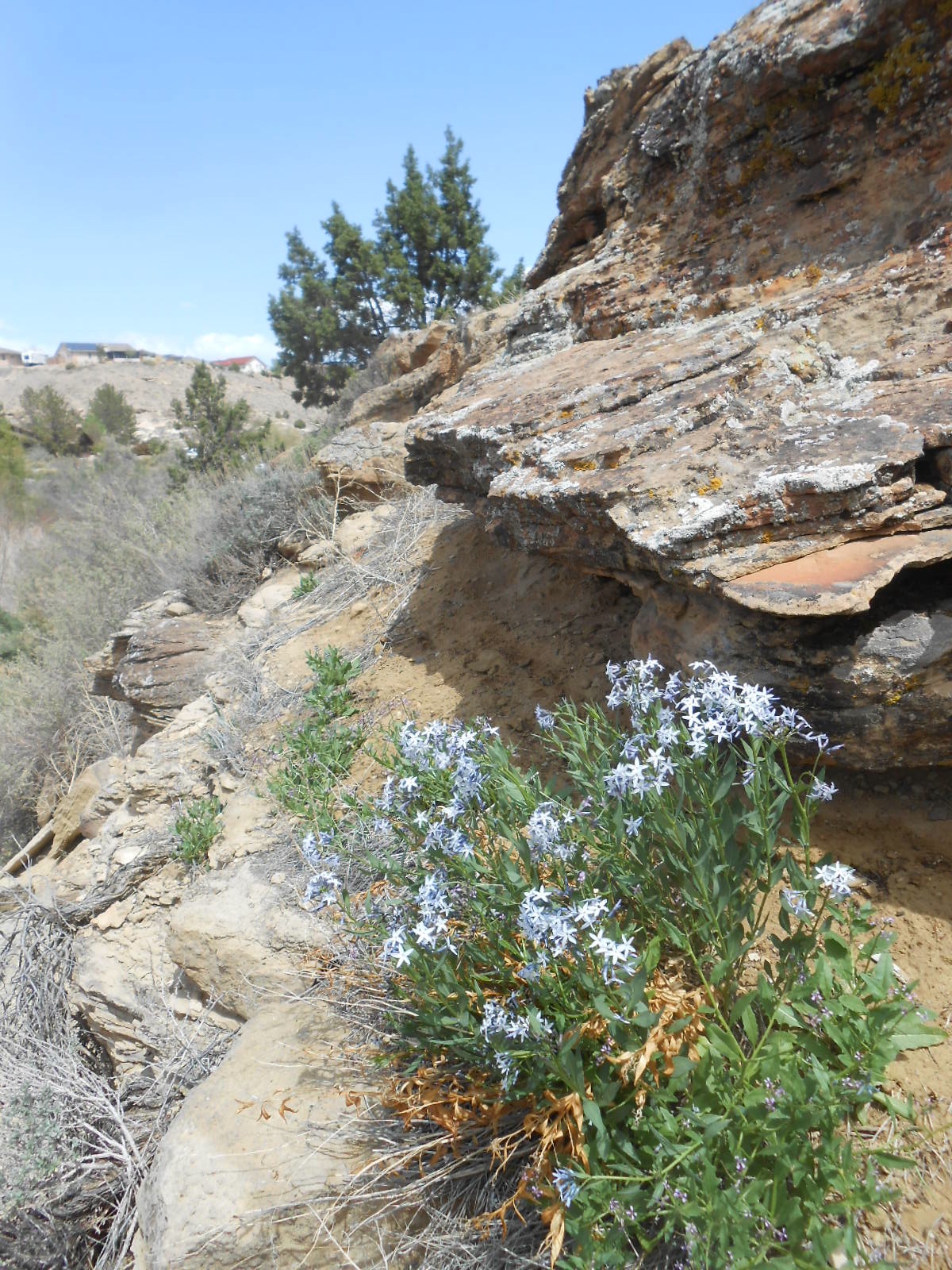
The Jone's or Desert Bluestar

This beastie is well past bloom now, nearly ripe in seed.  It must be plugged until everyone knows about it:  An incredibly long-lived and sturdy (if slow-moving) desert fella (or gal...) that is not rare as much as quite limited in range in nature, and it is recently more available in nurseries. Go get one.
Well, actualy, it is on some governmental "rare plant" list or another.


Amsonia jonesii
Amsonia jonesii

The above shots are wild plants which may actually be within the city limits of  Grand Junction, CO. 

I recently planted one of these in a landscape in the heat of the high nineties we're having, and totally forgot to put a shade on it.  This new plant gets water once a week or two.  It has not flinched, not wilted the smallest bit.  Grow it if you don't already. 

Saturday, June 15, 2013

Public Service #4: A New Technique for Slaying the Bermudagrass Dragon.


Bermudagrass is a beast.   (Cynodon dactylon and friends) A warm-season (summer) sod-forming grass with incredibly aggressive and tough above- and below-ground rhzomes/stolons.  It's great if you want it, but hellish when you don't.
Removing it by hand form my veg garden has confirmed the lore that plenty of its rhizomes occur well below a foot underground.  It's a beast.


A search of the net and the library for ways to remove Bermudagrass provides a few options.  (1. Spray repeatedly. 2. Dig by hand for ages and ages, removing all living material.  (I've done this)  3. Fry it under plastic tarp for at least a year.  4.  Smother it with tightly pinned layers of weed fabric.

Well, none of these were going to work very well for my garden client, but we almost resigned on one... until a miracle revealed itself:

Whoah.  What?

This particular lawn of Bermudagrass mostly had rhizomes within the top two inches, like a normal sod-grass.  Wierd.  For the records, a few spots were indeed deeper.  But not much. We've already dug most of those out.  So, miracle of miracles, a rented sod cutter, set to two inches, did a bang up job of decapitating this Hydra.  I want to type the word again: Miracle.   What profound Providence.
Now we are moving on with the dryland/native/unwatered garden.


The summation:
Technique #5 for Bermudagrass removal:  Don't assume that your patch of Bermudagrass has its roots wrapped around the subway system in Shanghai: Actually check if the rhizomes are as deep as feared.

I'm humbled, again, to an old adage:    Assume nothing.

Thursday, June 13, 2013

Great Bladdery Milkvetch


This is probably Astragalus megacarpus, growing in bentonite clay near the Rattlesnake Arches.


Ahh, another plant whose name sounds like an internal organ disease.
This plant has a chance of being a different species: namely a wierd A. ceramicus ssp or A. whitneyi. Or yet another one.

Tonight I have the great pleasure of hosting Panayoti and Jan while he gives a couple lectures in town.  This evening's hardy cactus program was well recieved and much enjoyed by the local Chinle Chapter of the Cactus and Succulent Society.

Sunday, June 2, 2013

Behold: Sainfoin; the Bubble-gum, Vetch-leafed Ass-gobble.

Is is a topical medication for the tender spot on your leg? 
Is it an incantation that summons a miniature man in a little green robe, looking confused?
Is it a social mistake that makes girls instantly turn away from you?

No- it's a plant.
A very pretty little plant.  Medium-size, maybe. Two feet.

Sainfoin- we shall call it Onobrychis viciifolia.   And that "scientific" name means 
"Vetch-leafed ass-gobble." 
And by that, probaby meaning "Chowed-down-upon by donkeys."


It took me a while to identify, because it was overlooked in Colorado Flora: Western Slope, meant to identify any plants which occur here.  But it was in Intermountain Flora.  The wierd seeds proved that it was not a normal pea-family local.

I first saw it last year in a barren lot  around Grand Junction's now long-empty institution I remember as a kid: "Gator's Restaurant" on the Southeast corner of the I-70 Business loop and 30 Roads.  
A Bubblegum-pink bushy thing waved at me, blooming for a long time in a truly crisp vacant lot.

Ferengi-style seedpods of the Sainfoin. (Don't feel bad missing a Star-Trek reference)

It's not rare, and it's not native.  It's a dryland-asian (Like all the good forage crops)  used by rangeland managers in the same manner as its similarly-shaped relative:  Alfalfa, Medicago sativa.   (Also Asian and dry-growing)


What intrests me about it is this:
1. It's beautiful.   Look at those striped banners.  They are literally, botanically called banners.
2. It's tougher than heck.  Look where it's growing.
3.  It seems to rebloom or bloom for a long time.

Wow.

But, it could be a weed in a cultivated setting.  Does anyone know?  Hard to know for sure when it's not even in our local floristic books.  Stay tuned, for this baby's going to get trialed as a showy landscape plant for the inirrigated landscape.  
I'm not below growing something as common as alfalfa when it's this good.

Tuesday, May 21, 2013

Posterior Fetish

Posterior and ventral, or adaxial sides of flowers, that is.

I like looking at flower's rear-ends.

The backs of flowers have a lot to offer the viewer, like Astragalus purshii and her artsy white dot; it reminds me of the bindi worn in southern asia.

Note the delicate way the hairy sepals (the green bits) lightly embrace the smooth purple petals.  
This is Phacelia crenulata var. corrugata.

It's a widespread annual/biennial of the spring desert, as seen on Highway 50 between Delta and Grand Junction, CO.

Sundrops are also having a good spring. Calylophus lavandulifolius.  (Little Park Rd, Grand Junction, CO) Note the harlequin-striped sepals that back these lemony flowers- and how those flowers shift to orange as they die.  A morbid-circus theme. Kinky.

Gilia subnuda (Thanks John Stireman.) is my current heart-throb with whom I have my current eyeball-trysts in the crevice garden. It's species name means "almost-naked." That's sexy.  It opens pinkish red from ember-red, but don't miss the golden base of the tubular flowers as they emerge from green sepals.


And a floral booty-check is exactly why I grow the night-blooming Watson's Phlox:  Leptodactylon watsonii.  She's less shy at night, when her flowers open wide and white.

Sunday, May 19, 2013

Humbled

- By winter.
Despite being in the midst of a glorious and flowery spring, I feel it honest and necessary to honour the dead of the last winter.
It was exceptionally cold, with a snow-protection-less streak of inversions, which brought havoc to the more tender plants grown in gardens in Western Colorado, and mine was no exception, but a sore demonstration.

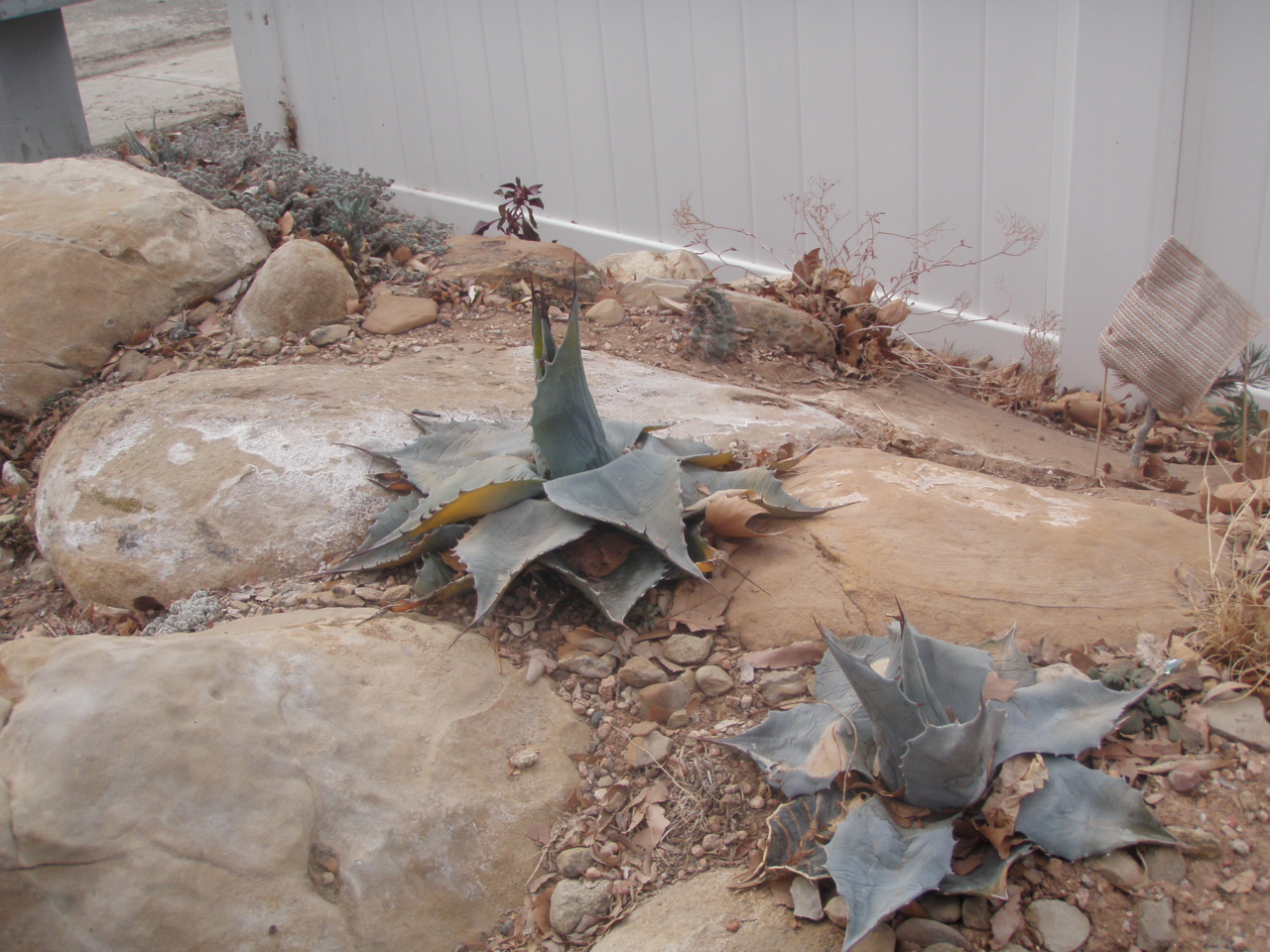
Two collections of plants are concerned: marginally hardy Agaves (From Mexico and Texas) and Marginally hardy Mesembs form Africa.  The  naked truth of the matter is that most of these plants, which I've celebrated in prior blogs, are dead.

But some are alive.

And other things are very much alive, laughing at my folly.

So here's the run-down. Check NOAA or Wunderground if you want the gritty details of temperature; In mid-January some folks registered minus-teen-degrees-fahrenheit around Grand Junction. (-14F/ -25C)  It lasted for several days.  Plants which still looked normal through -4F, -8F even, were suddenly ostensibly dead.  Limp Agave Jelly, or Rare Iceplant Jam.


I really liked having two Agaves there, and so did passersby, so I've replaced thier melted Mexican memories this spring with the Agave species which clings to the cliffs of the Grand Canyon:  


Agave utahensis var. kaibabensis.

The Agave Score:
Dead: 
A. ovalifolium
A. palmeri
A. havardiana (suprise, sad suprise)
A. lechuguilla

Alive:
A. utahensis
A. neomexicana
A. palmeri

(Same round, different teams:)

The Mesemb (Iceplant) Score:
Alive:  
Aloinopsis spathulata
Neohenricia sibbettii
Stomatium sp.

Dead:
Everything else, including 
Delosperma 'Firespinner"
Rabiea spp,
Nananthus spp, 
Rhinephyllum broomii,
Bergeranthus jamesii

But what about everything else?  The Buckwheats, say, or the Milkvetches?  Perfect.  Untouched. Of course.  But they are better appreciated alongside dead colleagues.


The "take-away" (to jump on a current buzzword) of this is that natives rock, and keep rocking.


Like the federally endangered Steamboat Buckwheat.  Live on, o little gem.
Eriogonum ovalifolium var. williamsiae, (and background Penstemon caespitisus ex Rio Blanco, Co, CO)