Friday, December 30, 2022
A Gallery of beautiful things
Lectures 2023
2023 so far:
Manhattan Chapter NARGS (Zoom) Jan 16: Crevice gardens but mostly plants for them.
Utah Green Industry Conference (Salt Lake City) Jan23: Back to back crevice and no-water talks.
Christchurch Botanic, New Zealand, Jan 27, afternoon crevice workshop in the Rock Garden with Grant.
Landscaping with Colorado Native Plants Conference (zoom) Feb 25 Real Unwatered Landscapes
High Plains Landscape Workshop (Fort Collins, CO) March 4 Home Meadow Gardens
Durango Botanic's Gardening with Climate Change Seminar: Mar 9, 11 or 16 tbd, How to make a Future-proof Crevice garden
Spring Fever Symposium, Iowa Arboretum, Des Moines, IA April 15 2 talks: Crevice gardening for the midwest and favorite plants
Tucson Cactus and Succulent Society, Tucson, AZ Nov 2: Desert+Cactus Crevice Gardening
Buddies: Isaiah, Jacob, and John during conferences last year.
Monday, August 22, 2022
Plants for the Unwatered Crevice
Several friends' inquiries made me realize this was needed. So here it is.
These are species I have grown without irrigation, in crevice. I am sure there are more. There are a few things that seem to require being in either/both crevice and unirrigated.
Know that a "rock garden plant" is subjective, and usually comes down to size and habit being appropriate with your rocks. Plenty of these are too large for a small crevice garden with small rocks and are noted as such. As with any unirrigated garden, performance and show will vary with rain and weather year to year... just like nature.
Keep in mind that different parts of a crevice garden receive/repel more or less runoff, so plants specific to those are noted. Soil type effects things, too. Generally silt and clay hold more water longer. Also know that all plants will need supplemental (at least weekly) irrigation the first season to get established.
Also know that Bob Nold’s ‘High and Dry” is basically an encyclopedia of plants that can grow without irrigation in Denver (and this classic book has a rock garden plant chapter). We are a little more limited over here in the hotter/drier Grand Valley.
So here it is. I'm listing possible sources after some and at the end listing several plant sources.
Plants for the unirrigated crevice garden in Colorado.
(below 6000’asl, like Grand Junction and Denver)
Flower power
Castilleja integra, sessiliflora. C. miniata in shade/wetter. (seed mailorder, or DBG sales)
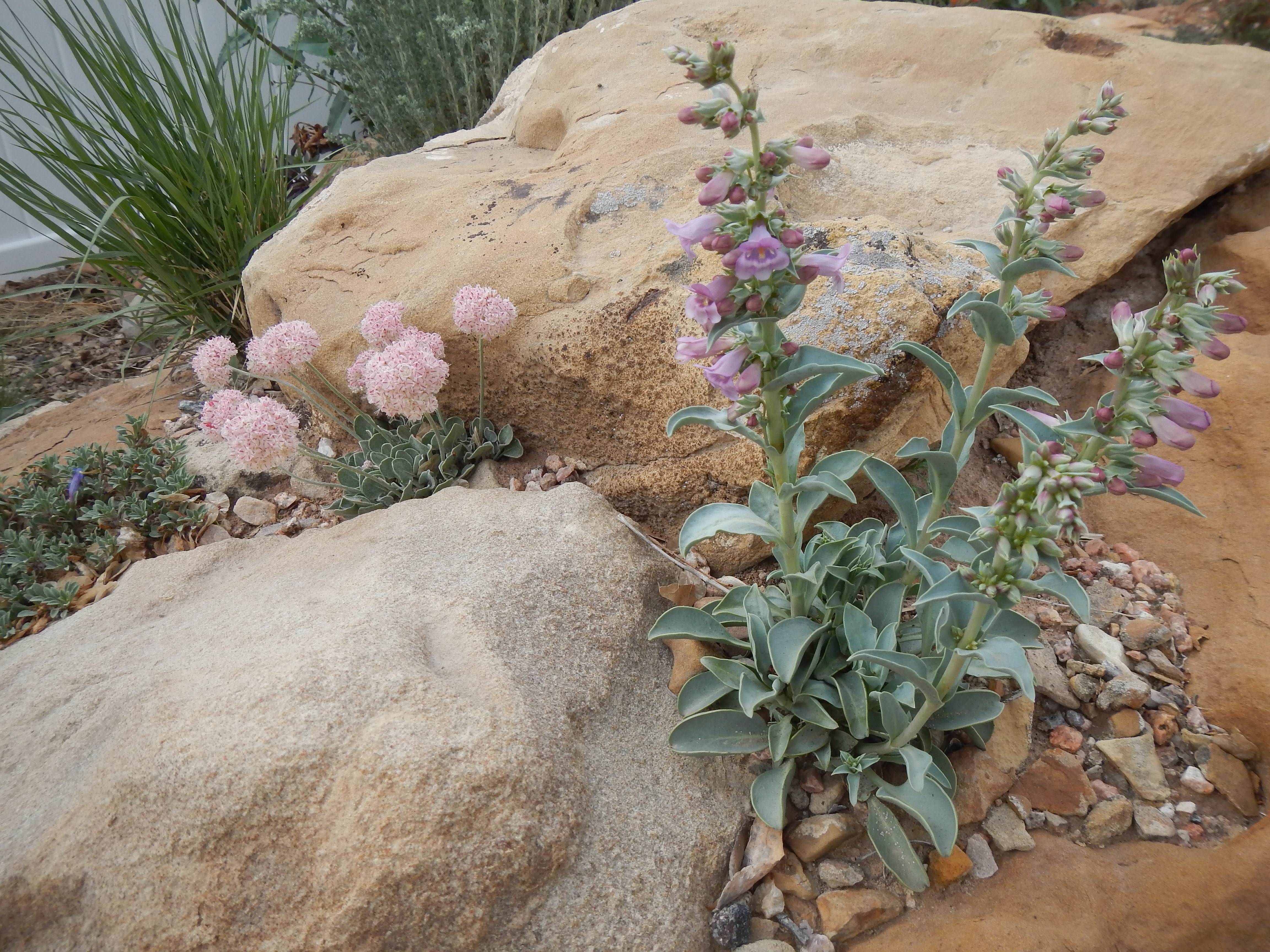
Physaria ovatifolia, fendleri, arizonica, and most others but alpina. (Harlequin, Alplains, Nargs)
Phlox nana (not a tiny plant, it creeps.) (High country, etc)
Phlox hoodii (tiny) (rare)
Scutellaria resinosa (in a wetter spot, Denver not GJ, not tiny) (wholesaled by bluebird)
Melampodium leucanthum (not tiny) Plants of the SW, etc.
Zinnia grandiflora (spreads a lot, large gardens only- it will eat your small CG for snack) Plant Select.
Arenaria desertorum hookeri (seems to like afternoon shade) (Nargs, Waterwise, Chelsea)
Astragalus utahensis (short lived with organics in soil) NARGS seed
Astragalus spp, so many other western ones. Nargs, Alplains
Heuchera pulchella, abrahmsii, rubescens, even ‘Firefly’ (in deep shade and or with good runoff)
Ephedra minima/monosperma/regeliana in Denver, not GJ. Spreads by rhizome! (Chelsea, etc)
Liatris punctata- maybe too large for small gardens. Plants of the SW, seed, etc.
Phemeranthes (Talinum) brevifolium, parviflorum, calycinum, sediforme (capricious, sometimes brief.)
Lewisia nevadense (Nargs, etc)
Oenothera caespitosa (up to 1-2’, some forms are rhizomatous, most are short-lived)
Oenothera howardii (up to 1’ wide) Alplains, Harlequin
Atriplex corrugata (Hates water, ultimately a short shrub, plant in early/late winter) Chelsea
Woody lilies
Yucca nana (mailorder)
Agave toumeyana bella (mailorder)
Agaves, most hardy sp, let’s be honest.
Nolina greenei is the smallest/hardiest “Beargrass” but big: best behind the CG. (Coldhardycactus, high country, Chelsea, etc)
Lil yellow daisies
Stenotus acaulis (seedexes)
Haplopappus armerioides (alplains, seedexes)
Tetraneuris (Hymenoxys) acaulis, scaposa, and argentea
Calylophus lavandulifolius, C. serrulatus
Heterotheca jonesii (seed, nargs)
Heterotheca ‘GoldHill’ (available on front range of CO)
Erigeron liniaris (may need to be low/wette)
Lil other daisies
Townsendia hookeri (the best/longest-lived), T. glabella (big-ish), T. spathulifolius, T. incana, etc.
Erigeron tener (super) (nargs)
Aster ericoides ‘Snow Flurries’ can be 2’ or more wide. (bluebird wholesales this)
Erigeron compactus (come. to. daddy.) Nargs
Artemisia frigida- will get too big for some gardens. (seed, Little Valley, etc)
Eriogonum caespitosum, kennedyi, wrightii (small ssp), jamesii, pulchrum, and more. (NARGS, Harlequin, Waterwise, etc)
Eriogonum umbellatum (ie Kannah Creek) in wetter/shadier spots in Denver (commonly sold)
Eriogonum ovalifolium, all spp except niveum. (seed)
Eriogonum heermanii (ie, var sulcata) - fantastic. (nargs, alplains)
Some Eurasians for ya
Acantholimon spp, especially blue leafed ones, not alpine or green-leafed spp. (nargs, wrightman, etc)
Limonium minutum (nargs seed)
Goniolimon sp that fit in size. (harlequin, nargs)
There are surely countless others species yet to be tried…
Aloinopsis spathulata (Ethical Desert, etc)
Nananthus transvaalensis
Lil Cactus duh
Escobia sneedii, leei, orcutii, villardii, and probably any hardy sp. (Coldhardy Cactus.com, etc)
Escobaria missouriensis, vivapara especially. (many cactus retailers)
Mammillaria heyderi/maeiacantha (cactus retailers)
Echinocereus, most sp, where they fit. In Denver and wetter places, a slope or a rise help keep these drained.
Opuntia fragilis, small forms like the “potato cactus”
Coryphantha sulcata- delicious.
I know there are more small cacti. South Americans tend to want irrigation.
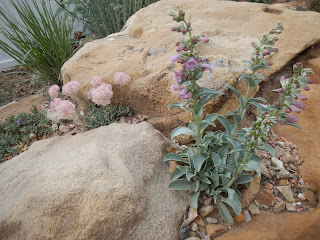
P. pachyphyllus
Penstemon
P. laricifoius, tiny, long-lived, hard to find. (Alplains, mailorder)
P. alamocensis, barbatus, - big plants with wee shadows (Plants of the SW, etc)
P. moffatii (nargs?)
P. pachyphyllus (alplains?)
I know there are many more...
Choice things/Crown jewels/hard to source/Oddballs
Astragalus spathulifolius (rare, seed)
Castilleja scabrida (rare, seed)
Penstemon acaulis- don’t you dare go pester this in nature.
Leptodactylon spp. (rare, seed)
Lepidium nanum (rare, seed)
Chaetopappa ericoides- good luck, witches.
Sphaeralcea caespitosa
Chaemachaenactus scaposa- long lived, hard to find seed.
Linum kingii- way cool.
Hoffmanseggia (Caesalpinia) repens.
Cymopteris bulbosus. Takes years, hates water.
Worth a shot, I haven’t tried them (enough).
Lewisia rediviva (NARGS)
Artemisia assoana.
Erigeron elegantulus (NARGS)
Penstemon linarioides. (NARGS, penstemon society?)
Stachys, fuzzy ones
Sideritis sp. (plant select...)
Salvia… most fuzzy asian ones will probably do, but most are too large
Pterocephalus spp. Not in GJ.
Petrophytum caespitosum of desert provenance.
Convolvulus boisseri, tragancanthos, etc.
Phlox ‘Lemhi Gem’
Achillea, miniature spp. like serbica, ageratifolia.
Penstemon petiolatus- perhaps on a north side as it happens in nature.
I have not trialled enough Grasses
Bouteloua hirsuta (Denver, not GJ?)
Bouteloua ‘Zig Zag’ very worth a shot in Denver. (Waterwise, High Country)
Lycurus pheoides (oh no, this one is good) (seed)
Muhlenbergia torryi, pungens. (seed from reveg folks in TX, etc)
Eremeoruruefurususus something. Fluffgrass. Annual or nearly so.
Aristida purpurea/longiseta. Often short lived and bad in dog fur. (seed)
Acnatherum hymenoides (1-2’ if you have space. Great. It’s been weedy for a rare few) (seed)
Hesperostipa comata- big translucent plant, no shadow.
Buffalograss can work as a “skirt” but will invade/cover rocks in a rainy summer.
I know, I know, there is ruby muhly at Apex, but there is ample space and it gets a little water.
Koeleria macrantha - someone should try it
Things you’d expect to go without water but won’t (usually)
Arenaria ‘Wallawa Mtn’ (it’s alpine and probably European, actually!)
Arenaria alfacariensis
Delosperma (with some exceptions… or they look bad when stressed. They need sun to be happy but need regular irrigation to be in sun…)
Thyme
Sedums (lanceolatum, and a few others allegedly have done it)
Sempervivum (also been a report or two but I am dubious. They are usually alpine plants)
Half the Mesembs/Aizoaceae/Iceplant family, generally. They just haven’t persisted without regular, if minimal, irrigation.
Erigeron scopulinus
Manfreda maculosa
Zauschneria (Epilobium), generally. I wish they did.
Coldhardycactus.com CO (Mailorder)
Ethicaldesert.com, CO Mail-order
High Country Gardens (mailorder)
Arrowhead Alpines (MI, mailorder)
Wrightman Alpines,(NB, Mailorder)
NARGS seed exchange (every Dec 15th)
Edelweiss Perennials, Canby, OR (mailorder)
Wednesday, January 12, 2022
Kenton's Lectures 2022
Some of these are not pinned down for exact time or event yet.
Kenton’s Lectures 2022
Jan12:
Boulder City NV Garden club,
online 8pm MST
the Modern Crevice Garden
Feb 1-3:
ProGreen Denver, CO
Crevice garden construction for professionals
Sead Meadow panel discussion with Ross Shrigley and John Murgel
Feb 19: NARGS Rocks: Meadow Gardens conference, host.
Click to visit page and buy tickets!
March 16: Home Garden Club of Morristown, NJ? online?
March 19:
Watnog Chapter NARGS, 10:30 EST online:
the Modern Crevice Garden
April 13:
Evergreen Arboretum: 7pm online
the Modern Crevice Garden
April 4-8
Far Reaches Conservancy
Pt. Townsend, WA
Crevice garden annex build
Possible program TBD?
June 9
Plant Select, Denver
June 11th
Berkshire Chapter NARGS with Paul Spriggs
The Crevice Garden
June 20-24
APGA: Crevice Gardens
with Paul Spriggs and Jeremy Schmidt
Workshop/Build at Cistus Nursery
September 14-16
Urban Growth Conference, Malmö Sweden
Modern Crevice Gardens & Hardy Succulents
Thursday, January 6, 2022
Meadows Versus Rock Gardens. Cagematch or Team Fantastic?
NARGS Rocks: Rock Gardening Does Meadows
A webinar hosted by Kenton Seth.
Feb 19: 10:30am-4p, MST
Yet another in the varied, successful, and wonderful series created in the last year by NARGS, I am hosting the meadow-garden themed webinar. I am stunned by the caliber of speakers, and especially excited to expose listeners to a few certain folks whom I’d call sleeper talent- amazing geniuses perhaps not known in wide circles.
A meadow is not a new idea- arguably the classic border and cottage garden is a meadow- it’s really any garden dominated by herbaceous plants. But recently it’s come to mean more grasses and plants grown for wildlife forage or habitat, including bugs. In the zeitgeist of the alarmism of climate change shifting to action, gardeners are broadly embracing their opportunity to genuinely mend the world, starting in their front yard.
We’ll start with Cassian Schmidt, Director of Hermannshof Gardens in Germany, exemplifies the deepest history in Germany if not the first examples of meadow-style garden concepts. The infamous ornamental grass Karl Foerster is named after one of the great trailblazers from that country. The germanic innovation continues today.
Several more notable public gardeners follow him- Lisa Roper, who has long tended the gravel garden at Chanticleer in PA. (And thus directly inspired dang near everyone gravel gardening in the US. When I was quietly hunting for speakers, most of my prospective folks all showed slides of her garden as the example that inspired them to do what they are doing). Fergus Garret is an established mogul at the Great Dixter- it means a lot when a storied and historical garden not only deeply embraces but pushes the forefront of invertebrate-minded gardening. Krissy Buys from Cornell in NY will talk about two native “lawn” projects of hers, which lay the groundwork for a future of native and threatened plants genuinely being used to replace unused turf.
My friend Kyle Dallefeld will ring in from Des Moines, Iowa, heart of the tallgrass prairie and some of the richest soils on earth to give us a perspective of rock gardening and tall herbaceous systems- from wild to farmland. Lastly, an old friend Erik Fleischer, of Symbio Studio in Victoria, BC, will bring it all down to earth to talk about practical home-sized garden projects of the front yard scale, and where rock garden techniques have influenced modern seed-grown and habitat-creating garden approaches.
I see a powerful teaming up between the rock garden and meadow worlds, aided by a de-facto blending that has always been there: both rockeries and meadows are totally inspired by nature, representing archetypical biomes of earth. The botanical sophistication of rock garden culture empowers any mission towards biodiversity. Meadows work in larger areas where rockeries aren’t tenable, and rockeries fit into the increasingly small and topographically awkward garden-able spaces of cities and suburbs. Together they will make the world a better place for both humans and our other living friends.
Sunday, August 1, 2021
The Warm-blooded Touchy Carrot Clan
In context of establishing great plants into gardens, I have come to know a certain motley crew of remarkably unrelated and excellent plants that all seem to have the same problems- problems which may explain some of them being so absent in gardens. Lassoing them into a group in my mind has made it easier to deal with their funky personalities, and so I want to tell you who they are, and my trick to skipping the bull and enjoying them at their best.
-Most hate transplanting- some usually die from it.
-They have significant taproots, often hate being in pots, and hate overwintering in a pot even more.
-They don't emerge until it's freaking hot outside: no-shows of spring but kickass bloomers in summer.
-They are usually big and herbaceous, leaving big old holes when you clean up their great freaking skeletons. A challenge to design with...
-They are too awesome, once in the garden, to give up: They tend to bloom in the worst of summer heat and all will grow without water for me in Western Colorado.
They all look so very different, but if you close your eyes and consider how they behave, I swear they are all the same damn plant. So who are these rascals?
-Coyote Gourd, Cucurbita foetidissima. This one REALLY hates transplanting.
-Desert Four-o-clock, Mirabilis multiflora. Many gardeners have noticed that volunteer plants are always tougher than their mom. Probably the least fussy of the lot and comes up a bit earlier.
-Jimsonweed/Moonflower, Datura wrightii, Hardy to say zone 6, it's a classic alley plant in Grand Junction and hardy in hot spots in Denver.
-Bush Morning Glory, Ipomoea leptophylla. This one is rarely in commerce but lives foreverrrrr when it does get a big ol' root down. With flowers like that you know that it's looks are not the reason it's not popular.
Cucurbita foetidissima is a giant octopus with shark fin leaves - it needs room!
Now, many of us have tamed them into air-pruning pots, bands, whatever, to grow them in the nursery. Some folks are very careful with the fussy roots. I have had good luck taking half or most of the leaves off of newly planted plants to reduce the root stress- it works really well. But there is an even better way.
1. Sow them directly in their spot as seed. (no compost or amendments!)
2. In summer (like June/July).
3. Defend the seedlings from crawling chewing bugs (like with a metal collar made from a beer can) and
4. Water the living crap out of them when it's hot so they grow big and fat and fast to be a nice size by fall to overwinter with big legs and a full belly. (This means a good soak 1-2x a week when it's above 70F, and stop in fall.)
They will come up strong the following season and be a mature blooming plant without supplemental water or bug defense, far outpacing a plant that was planted and may not have overwintered anyway. The other great advantage is that the taproot is allowed to shoot down uninterrupted like a drill and yield a perfect root system with no traumatic history- no need to re-grow the taproot a year after planting.
The challenge designing with them? I'm not sure I have a perfect answer- but simply having room to be placed behind other small shrubs or herbs will hide their spring-empty seats from view. It helps if those plants in front can tolerate shade when the thugs do come up and cast a broad summer umbrella over their neighbors. As for their big dead skeletons, chop them up, stomp on them, or grab them like a giant dead bouquet to haul off in one massive load. If you grow the four-o-clock you know what I mean.
I think the story behind these guys is that most come from light soils whose water drains deeply and quickly (and they chase it with their taproot) and that these plants all specialize on monsoonal summer moisture. Where I live, summer rains don't always happen, so the native populations don't recruit newbies on those years, like Mirabilis glandulosa. This year of course we are getting hammered with lovely summer rain which has turned the river to mud and is washing away highways like it's California or something, making all the NARGS folks detour on their way to the meeting in Durango next weekend.
Saturday, February 6, 2021
Sources of Expanded Shale and such
There has been discussion among rock gardeners, roof gardeners, bonsai growers, and the crevice people about sourcing expanded shale and other permeable aggregates. These materials are like porous gravel, holding water and nutrients without organic material- which is very useful mixed into crevice garden soil media and in containers to grow alpine or rock plants.
Here is a list I've been compiling:
Haydite (Ohio)
Seramis (Germany/Europe/UK)
Permatill (by Stalite) North Carolina
Turface (actually calcined clay) or “Pro’sChoice” brand
Trinity Expanded Shale (Golden, Colorado)
Utelite (Utah)
Soil Mender brand Expanded Shale (Texas)
Cat litter/“Oil-Dri”- coming in bags at the pet or automotive store, these occasionally turn out to be useful expanded shale, calcined clay, or diatomaceous earth, but most of the time are just clay clods- adding water will quickly reveal the truth. A source for desperate times.
Broken pots- Terra-cotta, porous pots have the absorbent qualities of all the above, but this is not true for vitrified stoneware pots which are fired hotted and not porous. Broken terra-cotta may have been used for a very long time historically by rock gardeners in-the-know! Not a bad plan-B if nothing else is available or you want to dispose of old pots.